Home Window Tinting: Improve Comfort and Privacy
By
Harper
Published on
October 24, 2023
Read time
4 min read
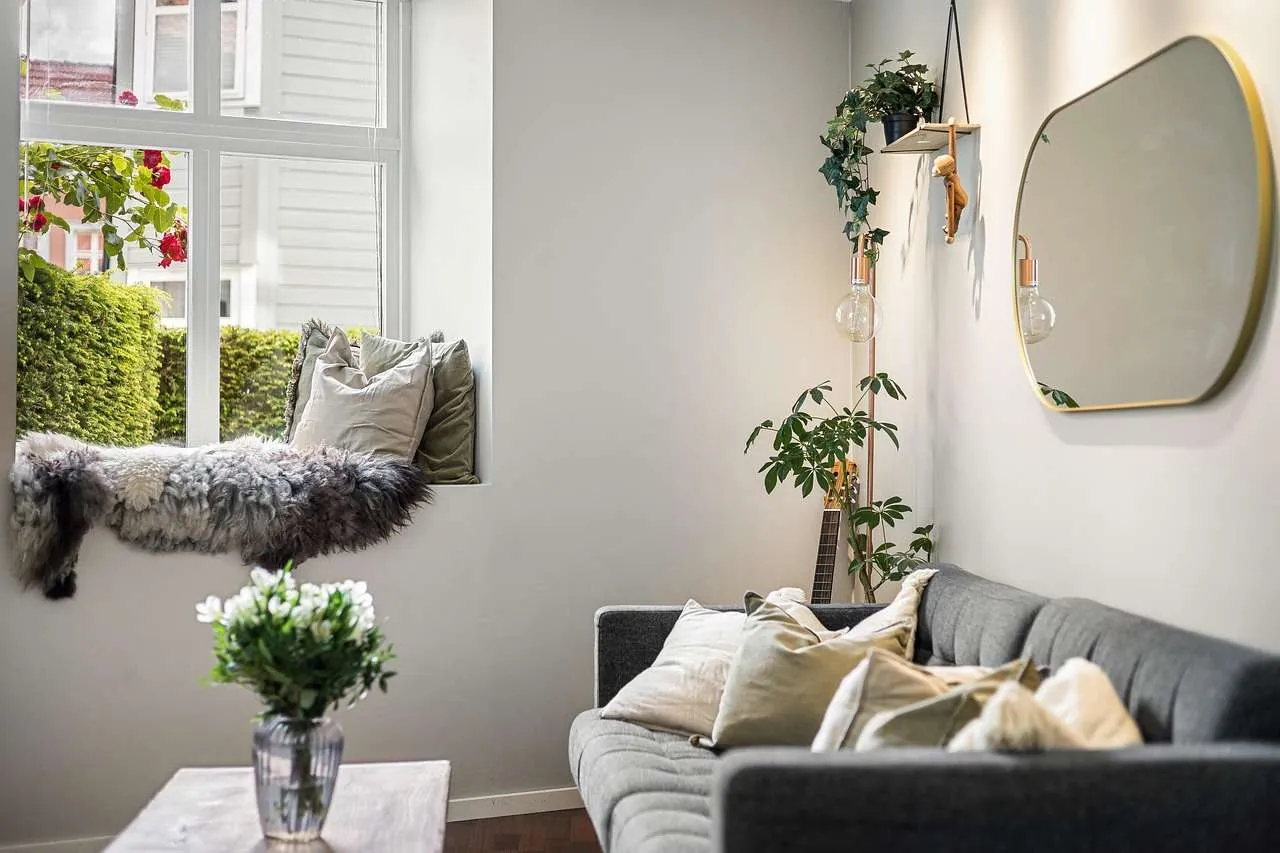
As a seasoned guide in home improvement and digital strategy, this article explains how home window tinting can improve comfort, privacy, and energy efficiency in a house. With more than ten years of experience assessing renovations and guiding readers to credible, well-structured information, we share practical advice on materials, installation, and legal considerations. The aim is to help homeowners make informed choices while signaling expertise and trust to readers and search engines (EEAT).
What is home window tinting?
Home window tinting refers to a thin film applied to the interior surface of glass to reduce heat, glare, and UV radiation. Modern films come in several families, including ceramic, dyed, metalized and hybrid options. Nonconductive ceramic films offer strong heat rejection without interfering with devices, while dyed films are affordable and can alter color. Metalized and hybrid films blend reflective properties with non reflective layers to balance performance and cost.
Benefits of home window tinting
- Energy savings by reducing solar heat gain, which lowers cooling loads in summer and can reduce HVAC energy use year round.
- UV protection that blocks up to 99% of harmful ultraviolet rays, preserving furnishings and flooring.
- Glare reduction for comfortable living and improved viewing of screens without additional blinds.
- Privacy without sacrificing natural light; some films maintain visibility from inside but limit visibility from outside.
- Shatter resistance and safety in case of breakage, depending on the film quality.
Popular types of home window tint films
Ceramic tint
Ceramic films are nonmetallic and offer excellent heat rejection, high UV protection, and compatibility with smart home devices because they do not interfere with signals.
Dyed tint
Dyed films are affordable and good for reducing glare, but they offer moderate UV protection and can fade over time in strong sun.
Metalized tint
Metalized films reflect solar energy and provide strong heat rejection but can interfere with radio signals and remote controls if not selected carefully; some homeowners prefer hybrids to avoid this risk.
Hybrid tint
Hybrid films combine ceramic and dyed or metalized layers to balance performance, cost, and safety, delivering solid energy savings with fewer compatibility concerns.
Key factors to consider when choosing tint
- Visible light transmission VLT and how much natural light you want to keep.
- IR rejection to curb heat coming through glass.
- UV blocking and fade protection.
- Film durability, warranty, and manufacturer reputation.
- Window type, installation quality, and local tint laws.
Installation and care
Professional installation is recommended for most homes. A trained installer ensures bubble-free application and precise edges around seals and trim. DIY kits exist but can lead to uneven results or premature peeling. After installation allow the film to cure and avoid heavy cleaning for a few days. Clean with a soft cloth and a mild soap solution; avoid ammonia or abrasive cleaners that can damage the film.
Costs and return on investment
Expect costs to vary by film type, window size, and labor. On average, residential window tint projects range from a few hundred to a few thousand dollars, with ceramic and hybrid films at the higher end. The energy savings, enhanced comfort, and furniture protection can shorten payback periods in hot climates and longer in milder regions. Always obtain multiple quotes and verify warranty terms.
Legal considerations
Tint darkness and reflectivity are regulated in many jurisdictions for safety and visibility. Front-door and windshield areas often have the strictest limits. A reputable installer can help you choose a compliant film and provide documentation if required by local authorities. Always check local regulations before purchase.
Comparison of common home window tint films
| Film Type | VLT | IR Rejection | UV Protection | Durability | Approx. Cost |
|---|---|---|---|---|---|
| Ceramic | 25-70% | Excellent | Excellent | High | 2-7 per sq ft |
| Dyed | 20-60% | Moderate | Good | Medium | 1-3 per sq ft |
| Metalized | 15-60% | Good | Excellent | High | 2-4 per sq ft |
| Hybrid | 25-65% | Very good | Excellent | High | 2-6 per sq ft |
Conclusion
Conclusion, choosing the right home window tinting solution involves balancing performance, cost, aesthetics, and legality. By understanding film types, features like VLT and UV protection, and by working with a qualified installer, homeowners can lower energy bills, reduce glare, and protect furnishings while maintaining curb appeal and interior comfort. For accuracy and trust, verify local laws and seek licensed professionals who provide clear warranties and documentation.